
Practice Is More Than Playing It Again
Effective piano practice isn’t simply about spending more time at the piano. Research on learning and memory suggests that how we practice can make an enormous difference.
Credit for this post goes to Dr. Molly Gebrian, a violist with a background in cognitive neuroscience, and her book, Learn Faster, Perform Better. The book translates research on memory and learning into practical strategies musicians can use. It continues to clarify, confirm, validate, and inspire my practice and how I approach the art of practice with students.
In fact, my students now know her by name because I regularly preach from her book.
Why More Practice Isn’t Always Better
Playing is not the same as practicing.
Some students feel the need to confess about their practice. There’s no need; from their playing, I can instantly assess what happened at home.
Some play their favorite pieces, gloss over tricky sections, and avoid the assignments they don’t like.
Others play consistently at reckless speeds—fast and faster—and stop and fix random tricky spots that were already addressed the week before.
Many binge practice and cringe with disappointment at the lesson when things didn’t stick.
Most students genuinely spend time at the piano.
But was their time really worth the effort?
Would their efforts be considered practice?
Quite often, students assume that practice is…
Repeat until you get it right?
Nope.
Play through each assigned piece.
Nada.
Repeat until you cannot get it wrong?
Closer.
Practice is an equation of problem-solving plus brain training.
When students understand how their brains work and learn best, they can make smarter choices on the home bench.
What happens between lessons depends on what happens AT the lesson
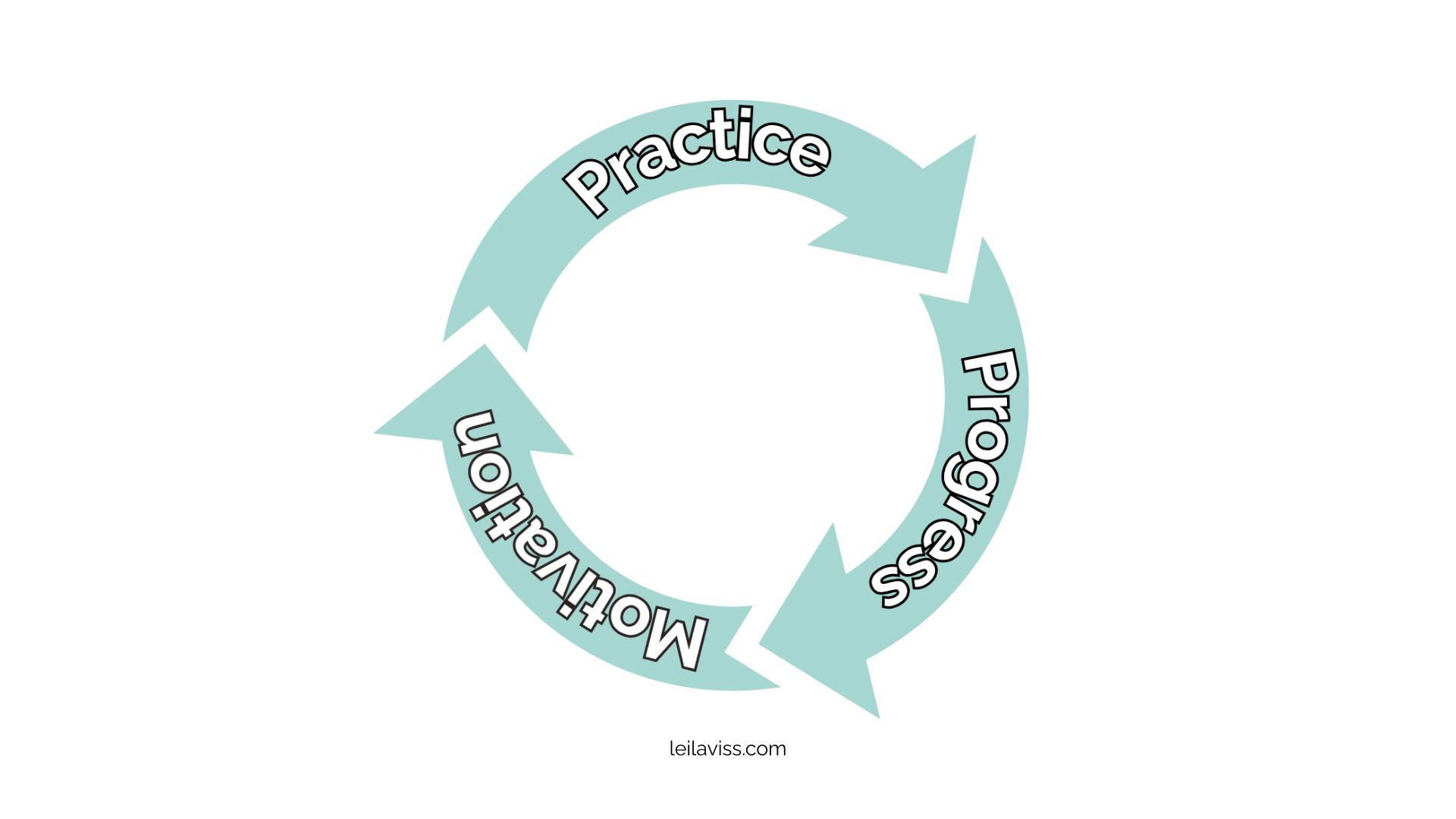
Piano teachers are also practice teachers. While we teach scales, reading, and repertoire, our ultimate goal is to develop increasingly independent problem-solvers who lock into the Motivation Loop. The loop begins with practice.
Practice → Progress → Motivation → More Practice
Psst…put these practice ideas into action
Join the free September Practice Streak for one practical strategy or tip each day—plus a printable Practice Toolkit to help your students choose what to practice and how to practice it.
Your brain strengthens what you repeat
Dr. Gebrian shares the complex neuroscience behind practice with clever analogies.
Neurons communicate through synapses.
Repetition strengthens the pathways between them.
Unfortunately, the brain strengthens what we repeatedly do—not necessarily what we intended to do.

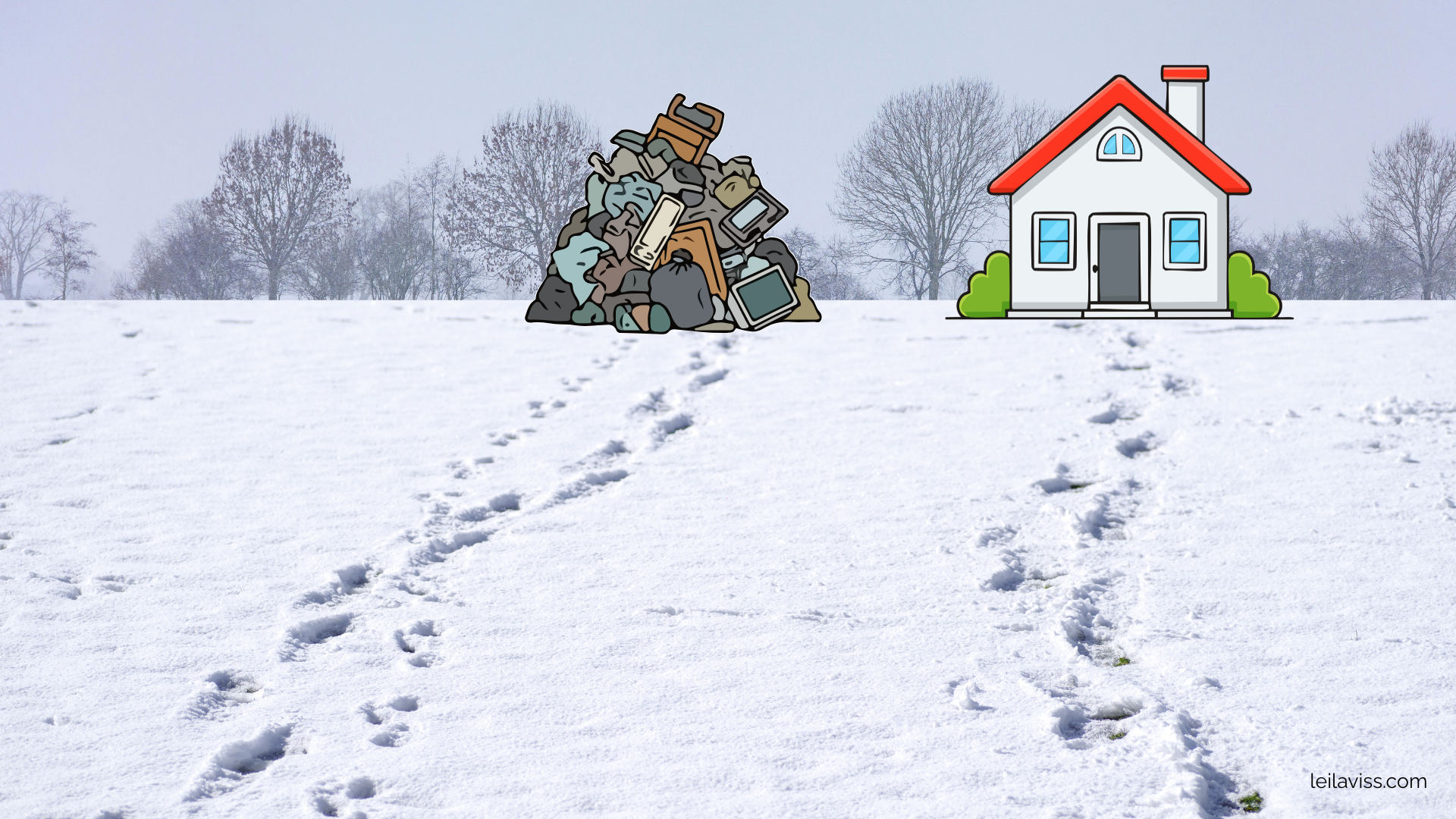
Imagine you're invited to visit a friend who lives over the hill.
It seems there are two equally clear pathways to get there, so you guess and take one.
This guessing happens when practicing a new piece or a hard section.
You try both ways and see which one seems more successful.
But you only have a 50% chance of getting it right.
Eventually you discover that one route leads to the town dump and the other to your friend's house.
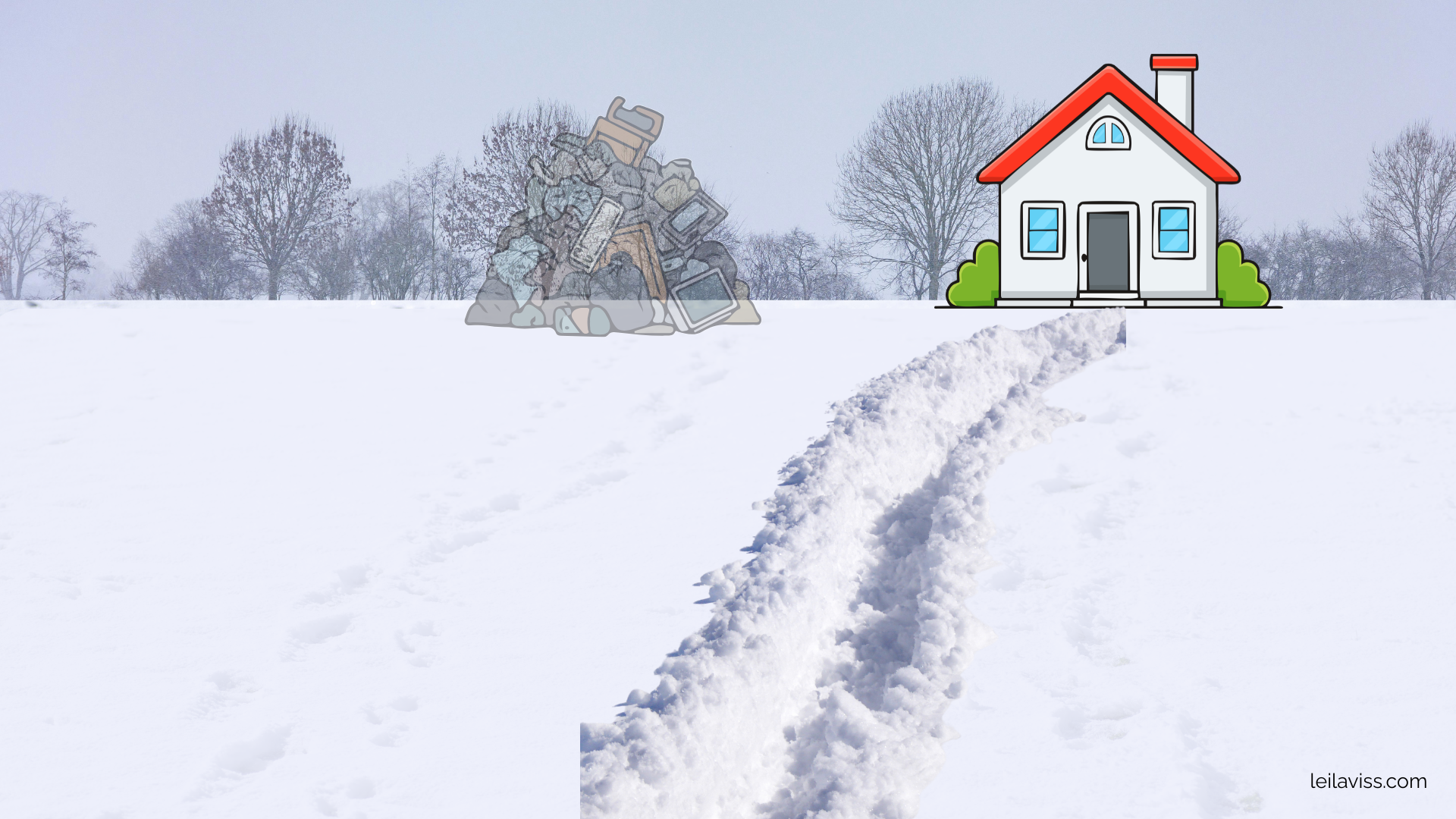
If your friend shovels the snow and covers up the path to the dump, it shows you the path to use again and again.
When you practice and don't improve, your brain has carved a path to the town dump.
Pathways we stop reinforcing can weaken over time.
Careless repetitions can keep strengthening the path we don't want.
Six Practice Strategies That Improve Learning and Memory
Dr. Gebrian’s book includes several more ways, but I’m choosing to highlight these.
① Solve the problem before repeating it.
Identify the problem, hypothesize a solution, test it, and solidify what works.
② Let the student detect the error.
Instead of immediately pointing out an error, pause and ask, “How did that go?” This builds the listening skills and discernment students need when they practice alone.
③ Take breaks.
Practice gives the brain new information to process. During a break, the brain takes in input and makes an actual physical change.
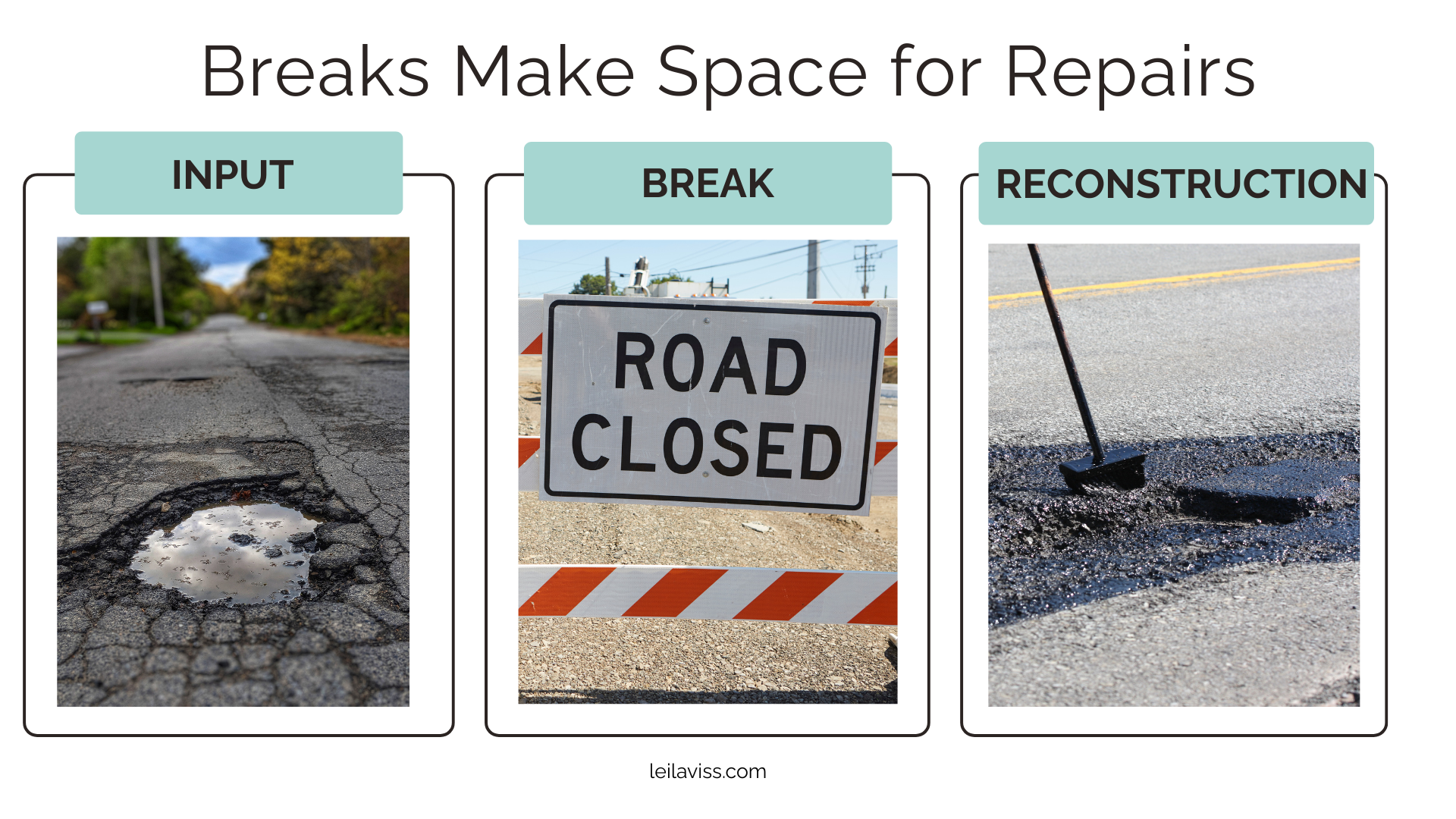
Breaks are like crews closing down the road to make time for repairs.
The length of breaks between practice sessions is based on the forgetting curve and on how new the material is.
When something is new, it's easier to forget, so the newer something is, the shorter the break.
Newer material = shorter
Familiar material = longer
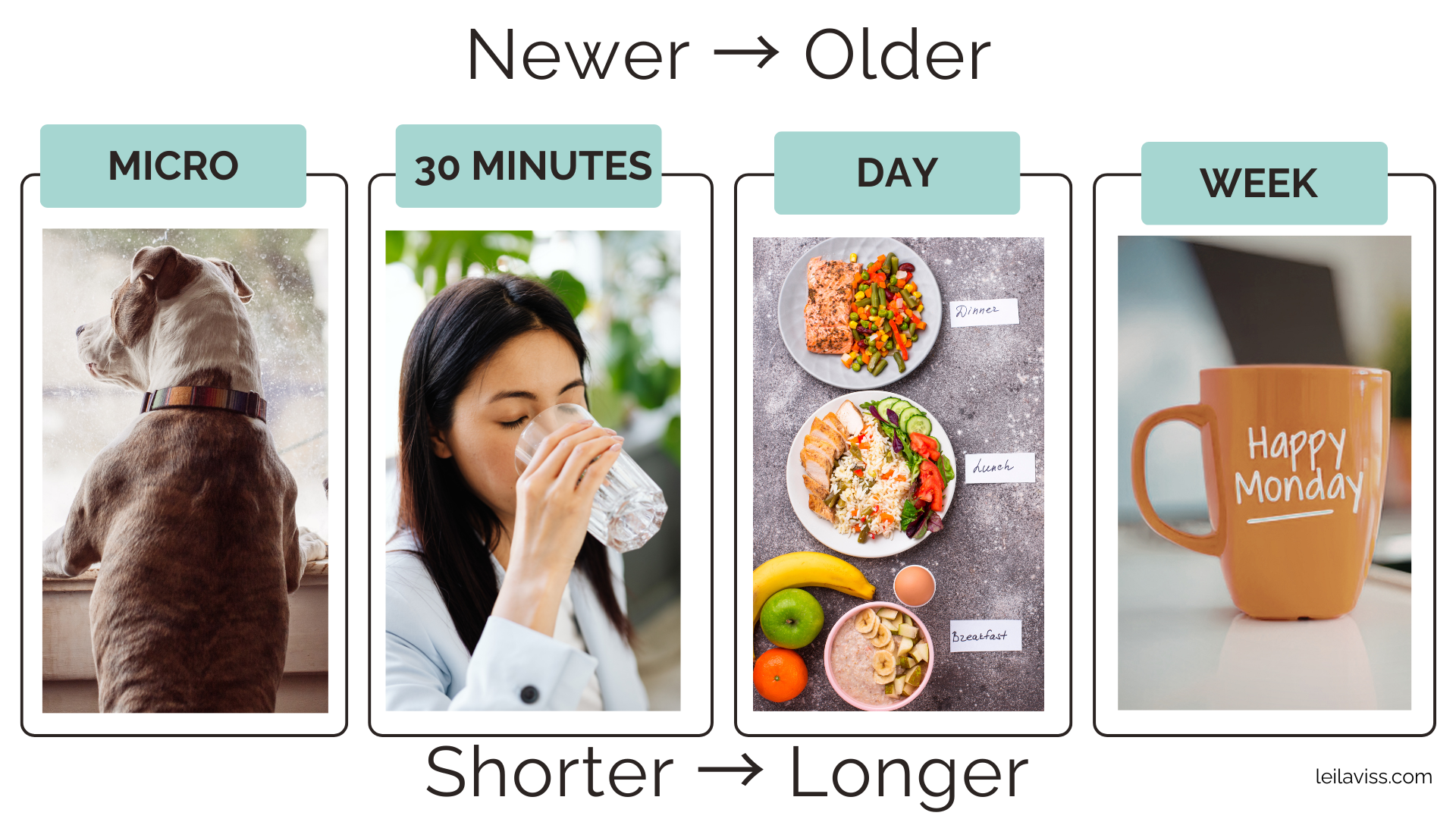
There are different kinds of breaks, too.
Some motor-learning studies have found significant performance improvements emerging during short breaks.
Micro breaks = 10-second pauses between repetitions within 30 minutes of practice.
Hourly Breaks = stop practicing after thirty minutes and do something else.
Day Breaks = practice something, leave, and come back throughout the day.
Week Breaks = visit a piece once a week.
Gebrian found that three break times are enough within a practice session or day.
You can practice other things during the break, but they should not be too similar.
IMPORTANT! Breaks are part of practice—not time away from it.
Fact: sleep and naps are important breaks, too. Read more about it in Dr. Gebrian’s book.
④ Mix things up and stop starting at the beginning.
Explore various practice methods to develop adaptability that will prepare you for any kind of performance condition.
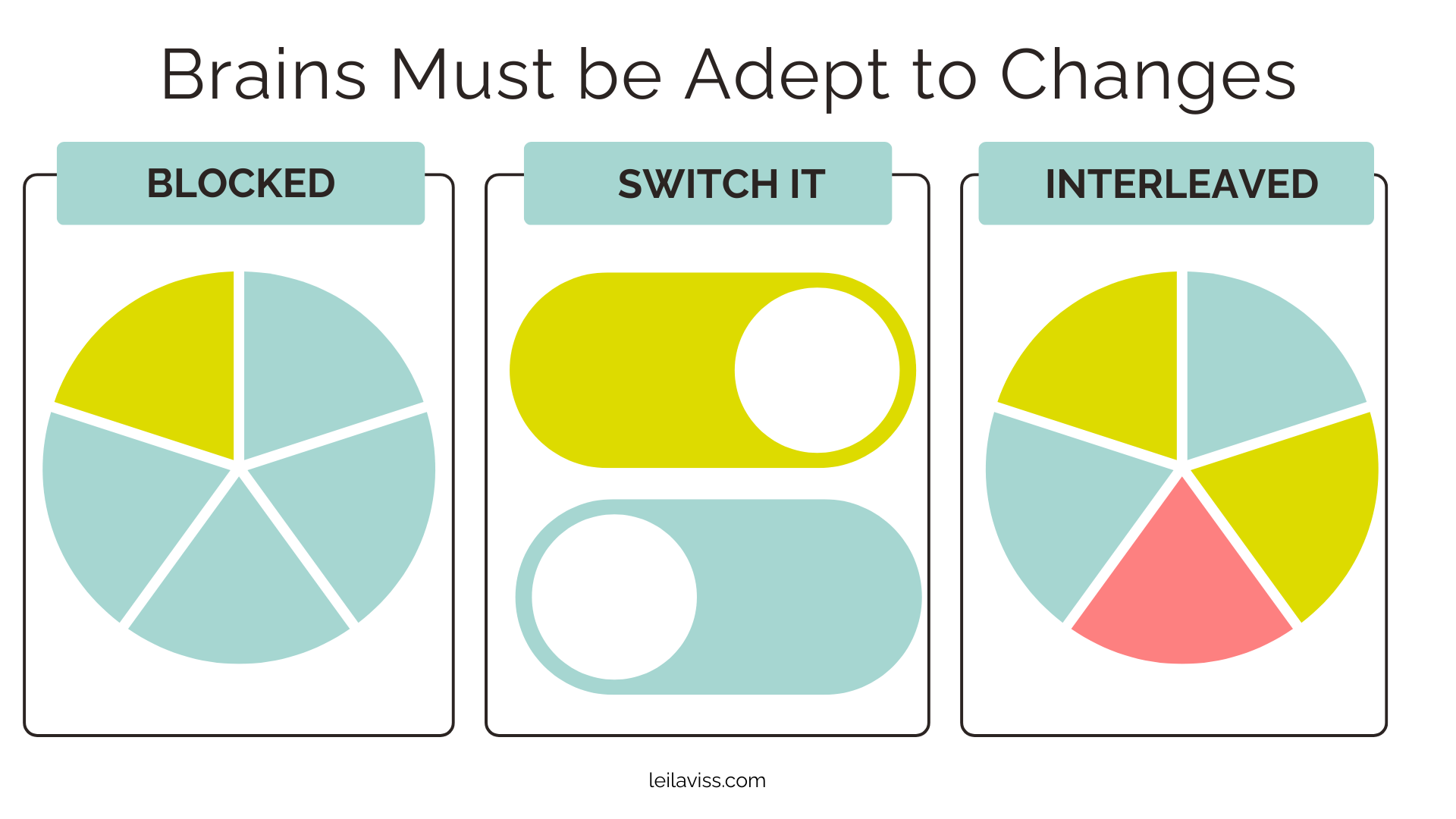
Blocked = Practice one thing for a long stretch.
This is good when just beginning something because it's much easier and you can see progress by the end of the session.
Switch = To build more durability, go back and forth between two practice assignments.
This makes your brain more agile and flexible, a skill you need during performance.
Interleaved = Practice one assignment, then move to another, then go back to the first assignment, then to another. The goal is to reconstruct from scratch exactly how to play well the first time.
Interleaved practice builds mental nimbleness and makes the brain work very hard during practice. This is a powerful way to prepare the brain for future performance.
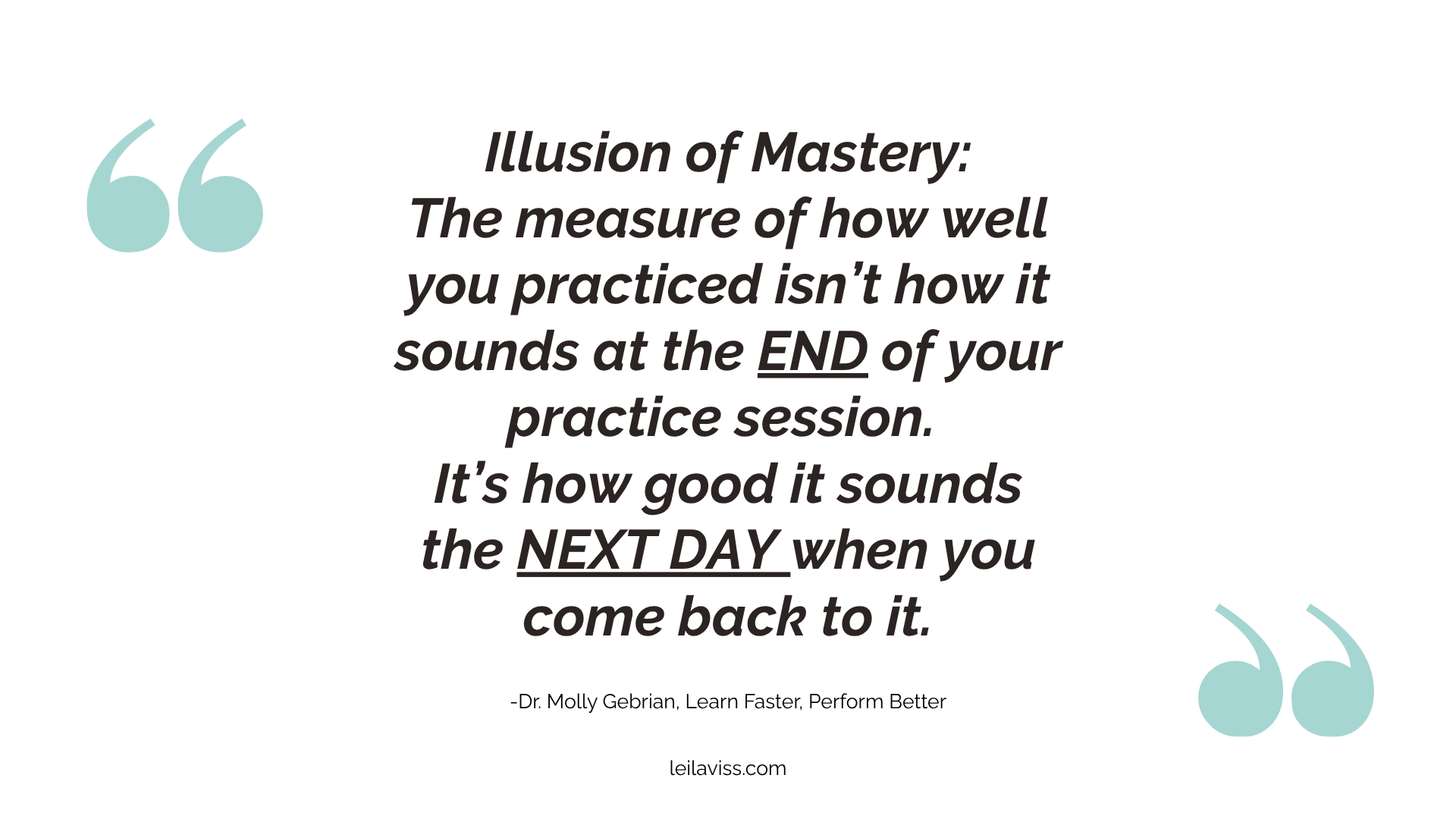
⑤ Variable Repetition
Practice requires mindful—not mindless—repetition.
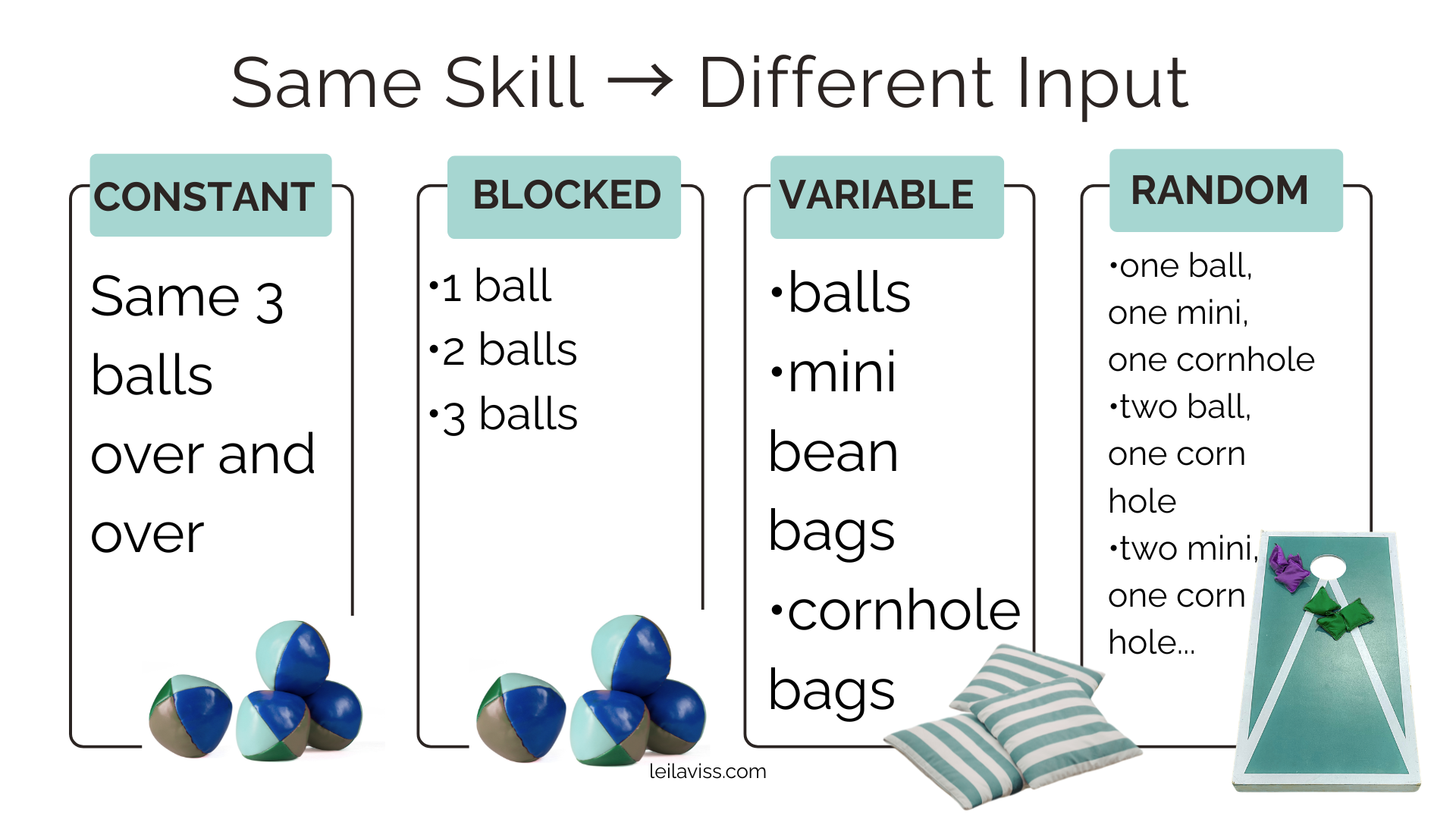
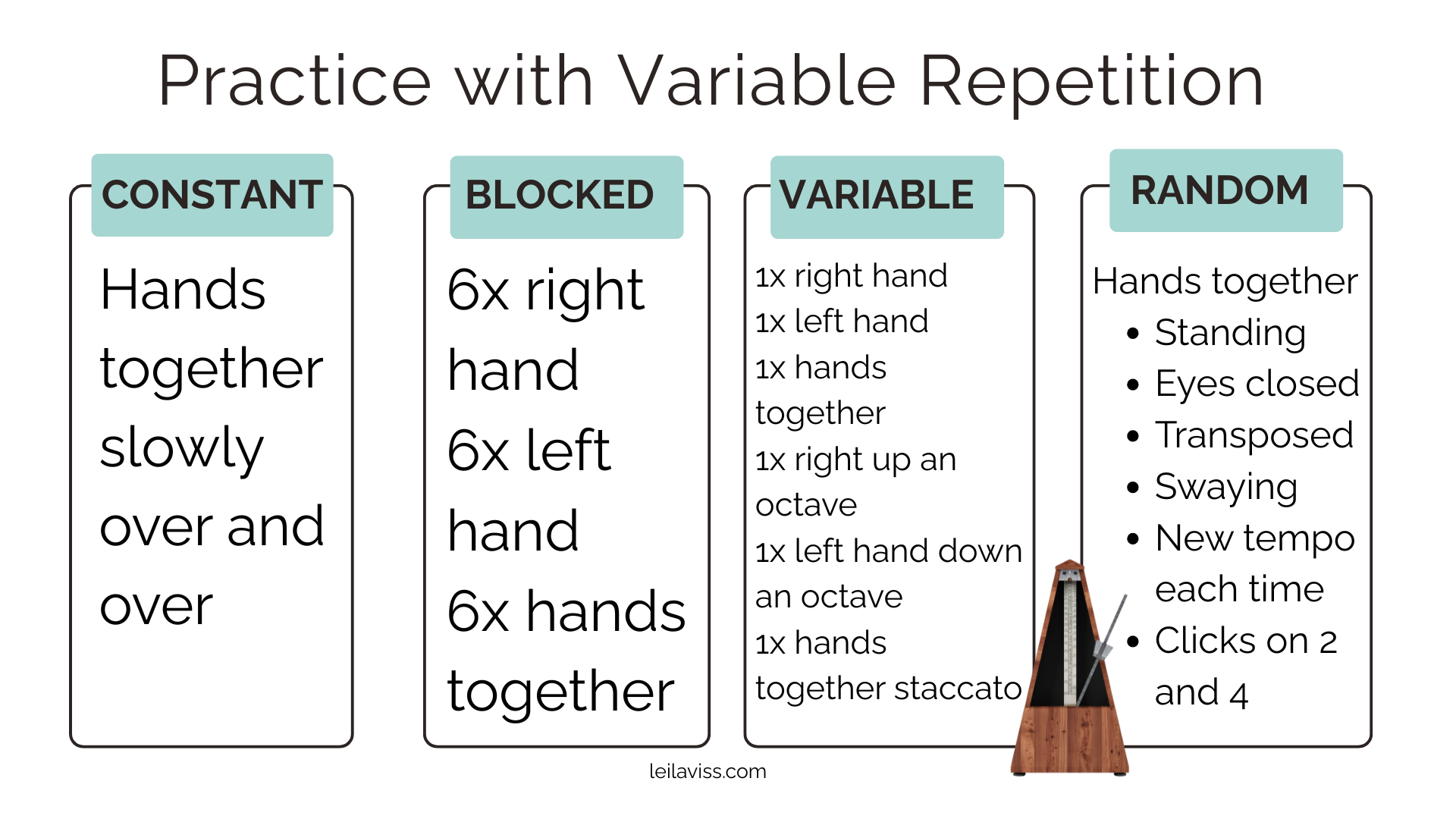
Dr. Gebrian explains that early repetitions can be uniform or the same to solidify a skill. But when we practice only one way, learning becomes less durable.
To master something, we need variable repetition.
Learn a phrase, then play it legato, an octave higher, or super slow.
Deliberate changes make learning deeper, more flexible, and longer lasting.
To make this tangible, I juggle balls for my students. Then I switch to bean bags, then cornhole bags, and finally one of each.
I’m better at juggling now.
Same repetition builds accuracy; varied repetition builds durability.
⑥ Use a timer strategically.
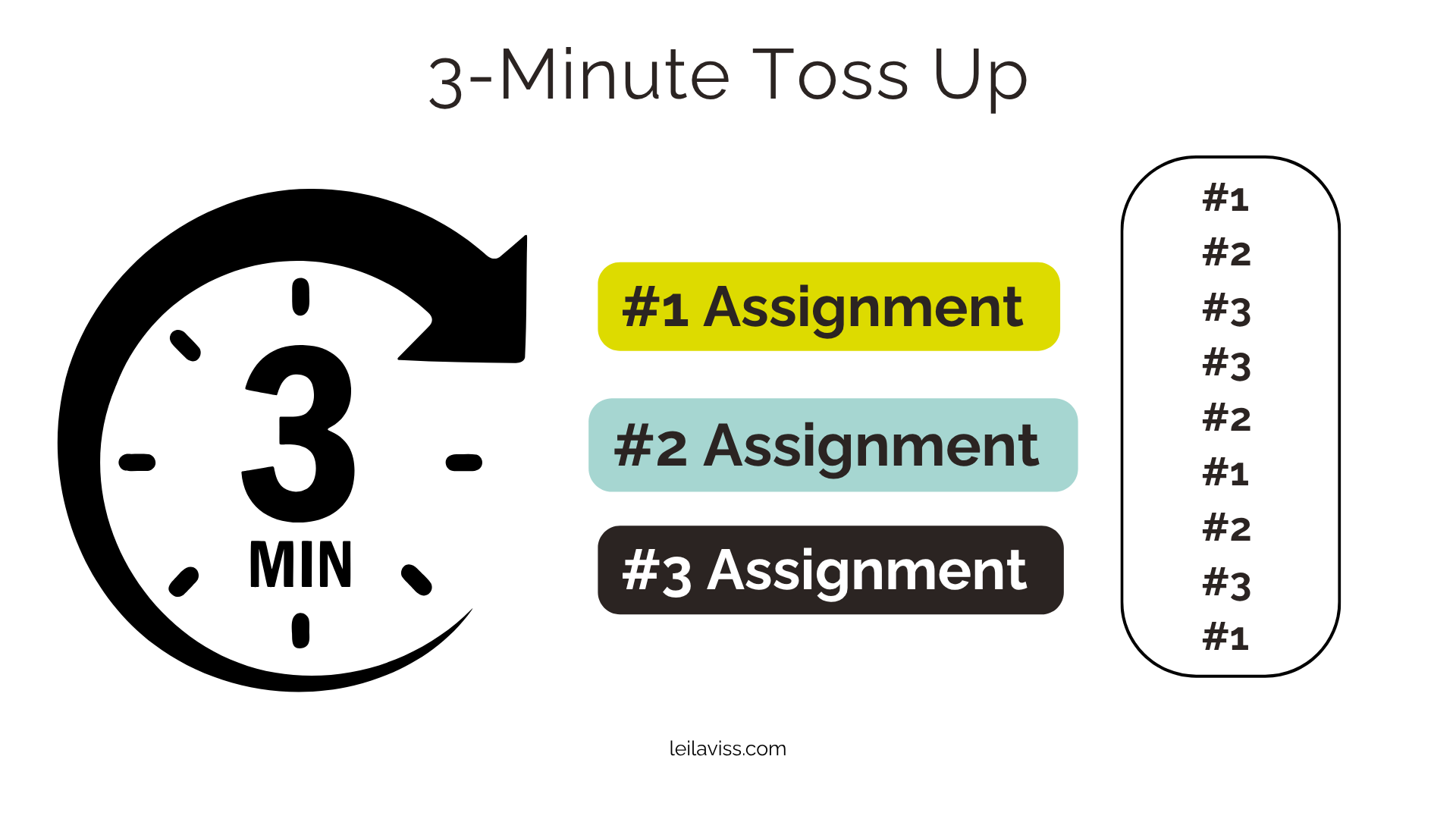
Set a timer for 3 minutes. Play each assignment for 3 minutes.
This helps to hone in on exactly what needs fixing and gives a feeling of effectiveness.
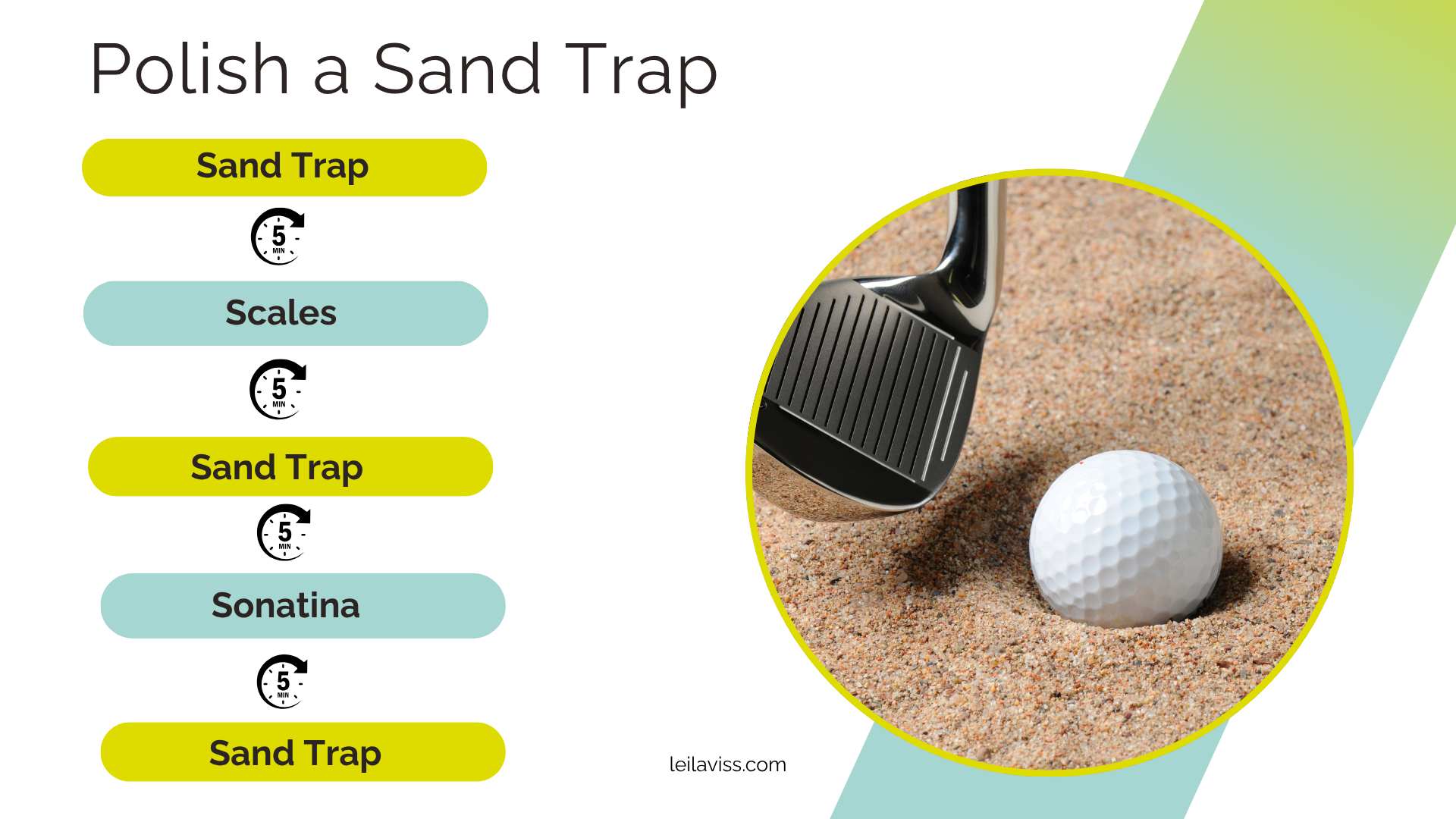
Sometimes pieces have pesky, tricky sections. To polish it, set a timer every 5 minutes. Continue with a normal lesson or practice session. When the timer goes off, play the section. Then return to what you were doing before. Repeat. Soon the pesky part will feel more comfortable.
Looking for hands-on ways to put these ideas into practice?
See the Best Tips for Home Practice for practical tools and activities.
Put These Practice Strategies to Work
Join the September Practice Streak!
Understanding how the brain learns is one thing. Remembering to use that knowledge at the piano is another.
That is why I created the September Practice Streak. For 30 days, we will experiment with one practice strategy at a time. Some days will help you solve problems. Others will ask you to rest, listen, move, imagine, or mix things up.
The goal is not to collect 30 perfect practice sessions. It is to become a more curious, resourceful, and independent practicer.
