
Use iReal Pro to Practice Five-Finger Patterns in All 12 Keys

Want to make piano five-finger patterns more engaging? Use iReal Pro backing tracks to guide students around the circle of keys. This activity combines practice in all 12 keys with a steady beat while leaving room for improvisation.
Although some students would rather avoid them, technical exercises train fingers in the way they should. Building patterns in young hands builds strong players, readers, and improvisers. I like to begin with five-finger patterns. Drilling these techniques by circling the circle of keys creates a challenge that breathes life into, and logically connects to, just about every aspect of music theory.
Start with Five-Finger Patterns
Start with five-finger patterns, as they fit easily under the hand. From beginners to advanced students, knowing these pentascales is essential, as they are the building blocks for understanding chords, scales, modes, and more. I use the phrase “five-finger pattern” because it relates to students’ five fingers faster than the term "pentascale." It's also SO similar to another term I use a lot—pentatonic—and I don’t want students to get confused.
Find a Groove with iReal Pro
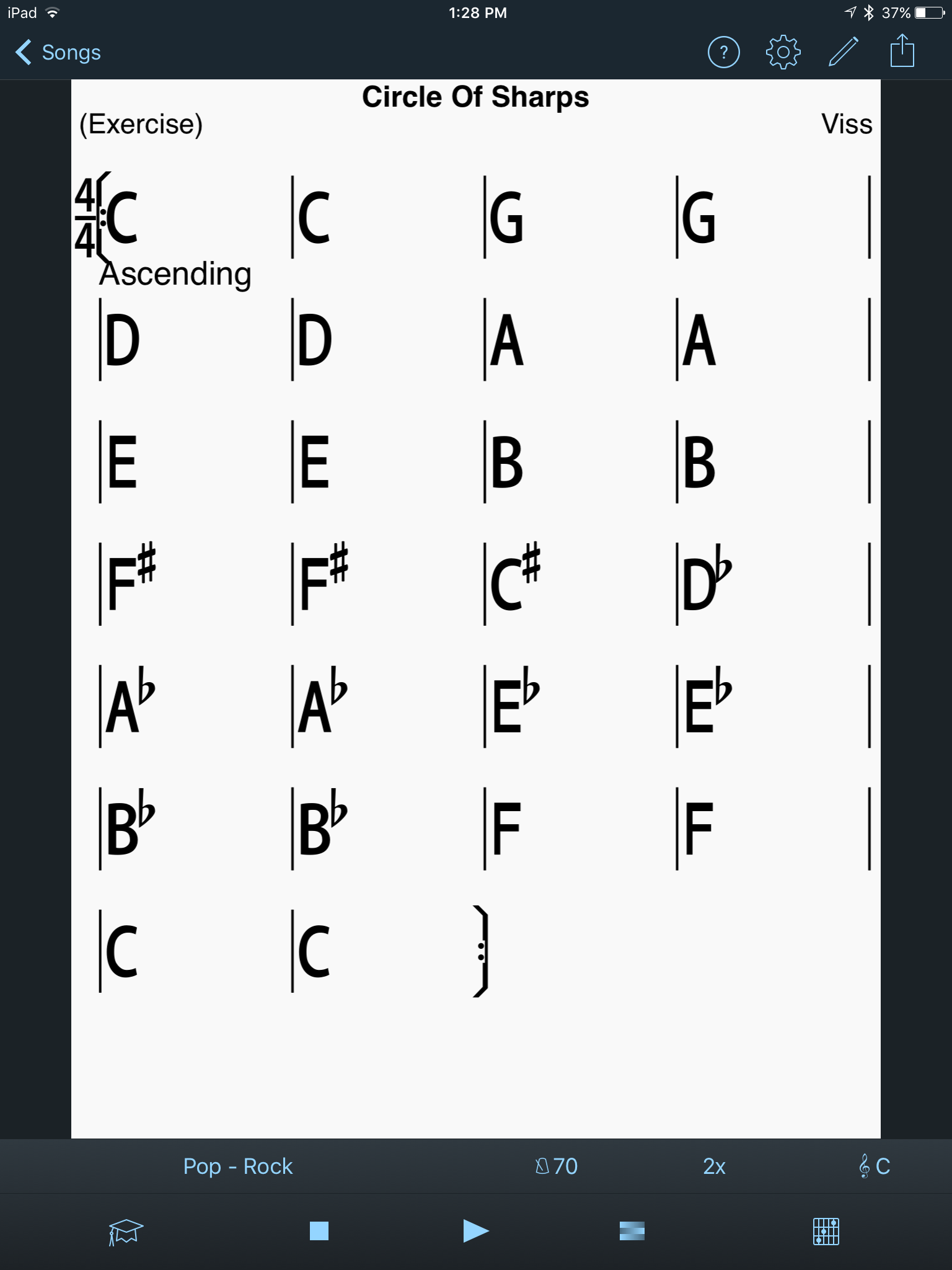
As players build a steady pulse, it makes sense to establish that habit from the start with any drill or exercise, not just repertoire. Bradley Sowash introduced me to this idea and to creating backing tracks for exercises and tunes using the app iReal Pro.
In the video below, you'll see Ella playing her five-finger patterns around the circle, keeping time with the iReal Pro backing track playing a particular pattern.
FYI: This is an older video from when I had connected my iPad to the Clavinova with an RCA cable to amplify the iPad speakers. Since then, I’ve updated both my Clavinova and iPad, and I pair them with Bluetooth.
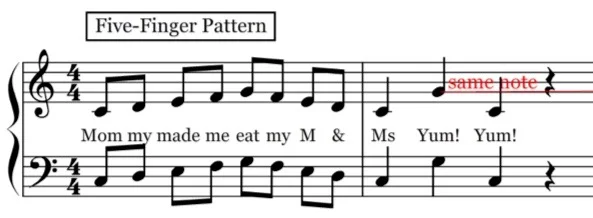
All my students memorize the rhythm and melody of the pattern singing this phrase:
Mommy made me eat my M&Ms. Yum, yum!
No, I didn't make it up. A long time ago, I played that pattern and a student declared: "hey, we sing that melody in choir for warm-ups!" and sang along as I played. The lyrics have stuck with me and my students ever since. When students learn about minor, I encourage them to think of something they don't like to eat for the lyrics. For example:
Mommy made me eat my broccoli. Yuck, yuck!
This doesn't always work because MANY students like broccoli--good for them! If this is the case, be ready to brainstorm new menu items. Here are a few that work: vitamins, scrambled eggs, mac and cheese, and brussel sprouts.
Build Technique
As students work their way around the circle, this is a great time to check hand position and build technical skills on each pattern by playing:
both hands piano or forte
both hands staccato or legato
both hands crescendo followed by diminuendo
one hand staccato and the other legato
one hand piano and the other forte
with straight 8th notes
with swinging 8th notes (watch Sara Campbell's student swing along with this exercise here.)
Be Creative
You can use traveling around the circles in fives in a private lesson or in a group setting. Repurpose the drill with some improvisation!
Suggestion #1
Ask students to line up at the piano. Or, you and your student could do this activity at a private lesson.
The Teacher improvises a question phrase in the first measure of the C five-finger pattern, ending on anything but C.
Students improvise an answer phrase in the C five-finger pattern ending back on C, the home tone.
Both improvisers have only one measure—four beats—to complete this task, then move to the next five-finger pattern in the circle and repeat the improv on the next key.
Tip: You may need to slow the tempo down on the iReal Pro chart.
Suggestion #2
Ask students to improvise within the two bars of a five-finger pattern.
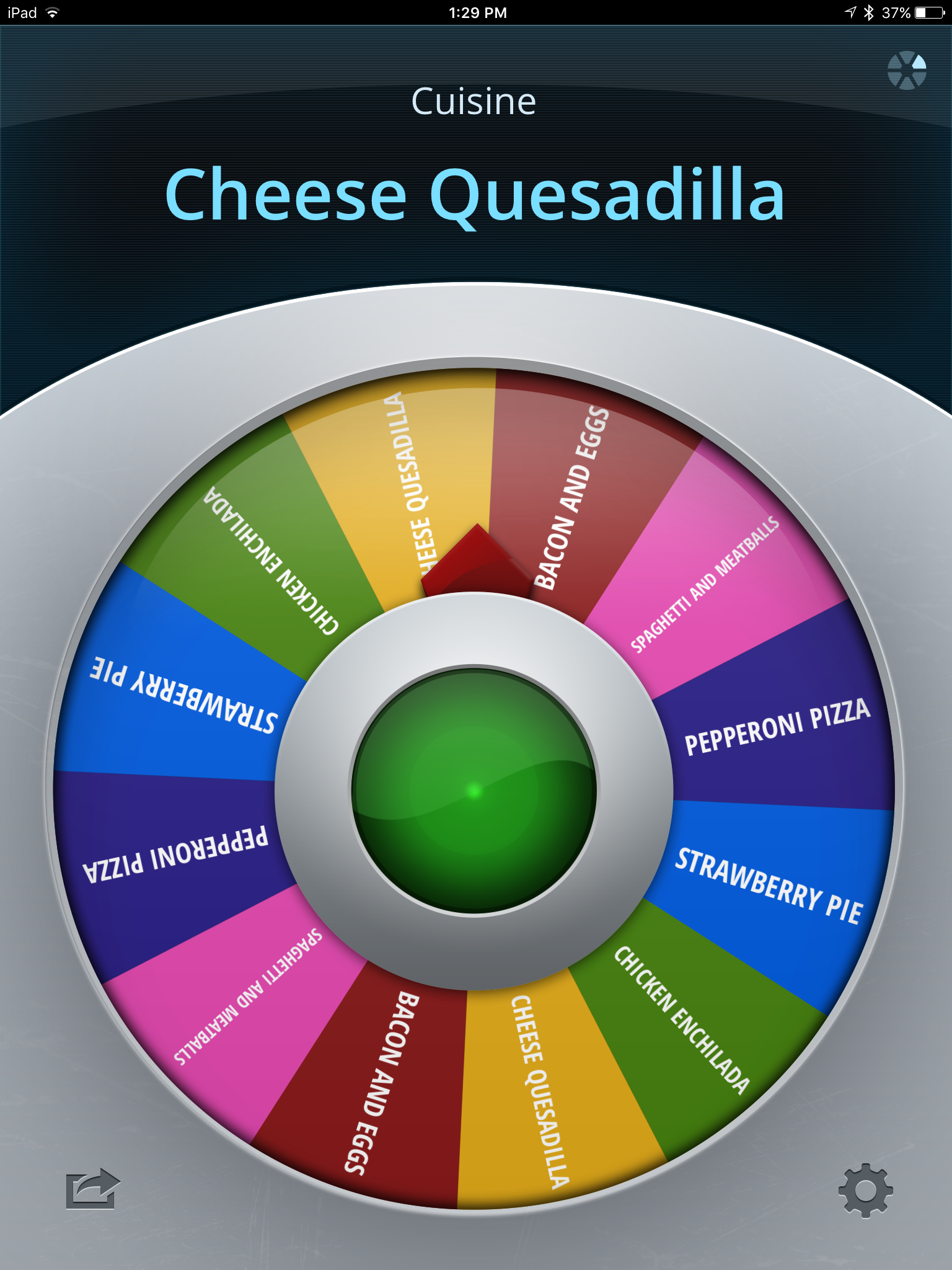
If students need ideas to spur improvisation, spin a rhythm using a cuisine name on a Decide Now wheel.
Tip: Follow this link for 50 more ways to use Decide Now to keep lessons fresh with a slice of randomness.
MusiClock App
Suggestion #3
Ask students to spin the Decide Now wheel to determine a five-finger pattern.
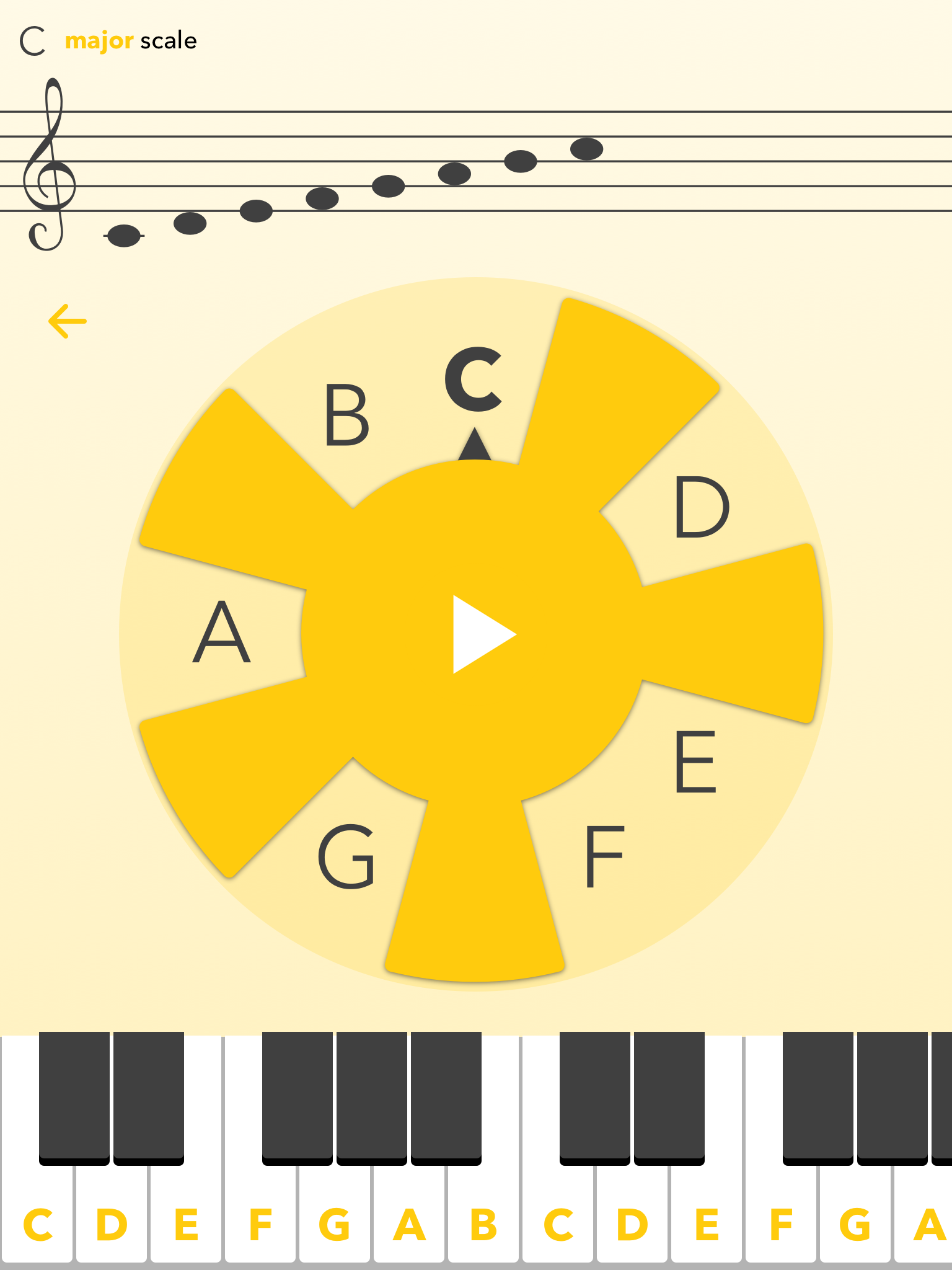
Ask students to jam within that pattern, playing along with the MusiClock app—another favorite app that provides upbeat, catch backing tracks for major, minor, blues, bebop, and pentatonic scales. Even though the students are only playing the first five notes of the major scale, it's good for them to see the full scale and what's coming next!
